The Oath of Death
Pao Hsueh-Li becomes the 9th, and final, new Shaw Brothers director of 1971. Of those 9, only 3 (Pao, Chor Yuen and Chang Tseng-Chai) would stay for long. Pao had been with Shaw Brothers for about 4 years by this point, working as a cinematographer. Before that he worked in Taiwan shooting Hokkien films, including an early film for Joseph Kuo.
Though most focus on his relationship with Chang Cheh his credits show a different story. Of the 13 Shaw Brothers films he’d worked on before his directorial debut, only 2 were for Chang Cheh while 7 were with Griffen Yueh Feng, including some of that director’s best wuxia efforts like Bells of Death and A Taste of Cold Steel. But thanks to the vagaries of Western taste more attention is paid to Chang rather than Pao’s work with a better director on better movies. Not that I’m biased!
To be fair, based on this debut the Chang Cheh comparisons are apt.fn1 With its focus on the strength provided by male bonding and its foul treatment of its female characters (one’s a sweetheart, one’s a slut, they both die from gruesome and sexual forms of impalement) it does seem like a Chang Cheh movie.
Though the script, written by another frequent Griffen Yueh Feng collaborator (and Pao’s wife), Katy Chin Shu-Mei delays the film’s payoff for longer than Chang Cheh probably would have. While Tien Feng’s turn to villainy is never in doubt (c’mon, it’s Tien Feng!) the film does postpone the big reveal for quite a while, allowing more time for the friendships between Lo Lieh, Wai Wang and Chang Pei-Shan to develop.
It’s clear that there was even more plot that was either not shot or cut for time, as evidenced by the sudden appearance of a grave whose resident we never learn and by Lo Lieh training to defeat a fighting technique that we’ve never seen before. This time constraint could also explain the variations in fight sequences, with some being quite readable and creatively shot while others are baffling and missing important shots.
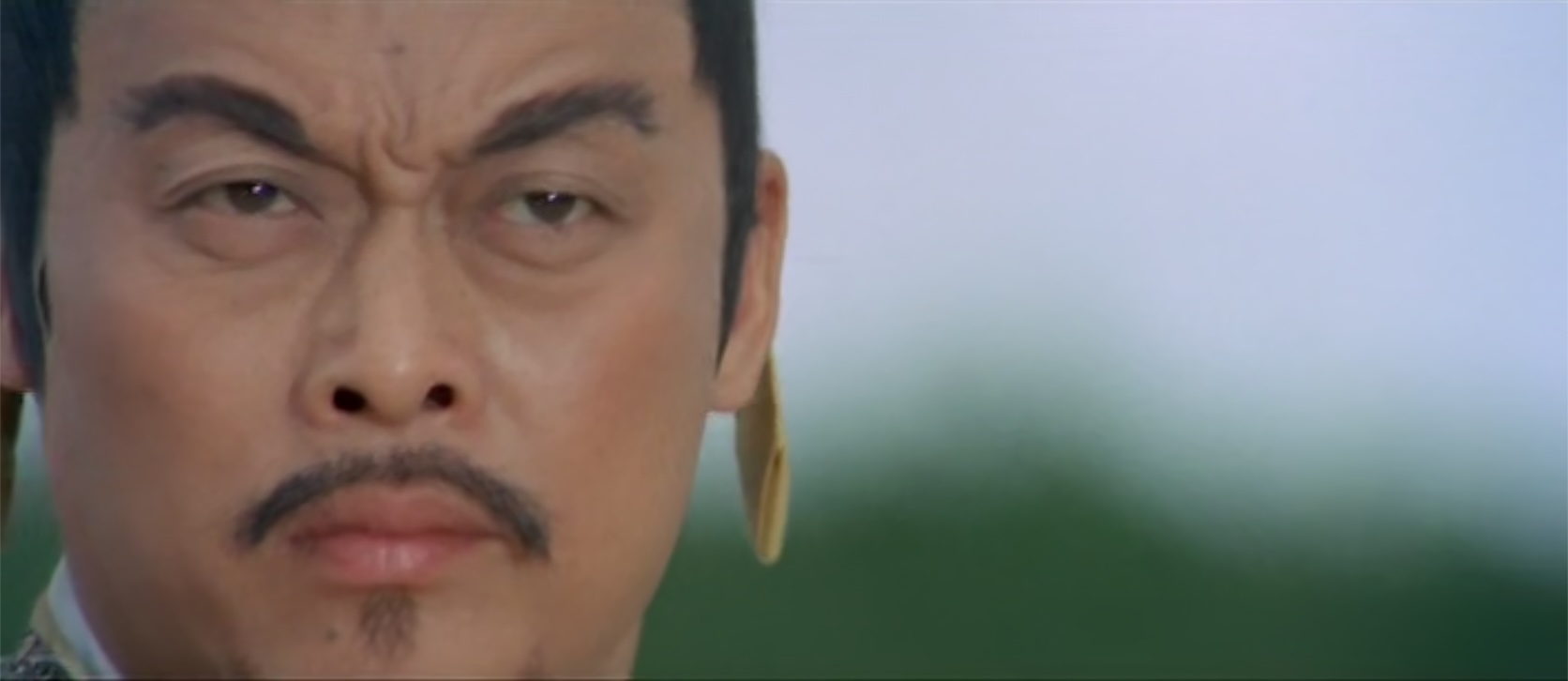
Even with those bumpy moments Pao (and his new cinematographer, Yuen Teng-Bong) shoot the film well. Its look is much closer to his work with Griffen Yueh Feng, with off-center closeups, some beautiful landscape shots, and some really fun handheld stuff. Lo Lieh gets to be extra broody and emotional, which suits him well.
fn1: While this is the first film released that Pao directed, he also directed one of the never-finished versions of The Drinking Knight and had made The Finger Of Doom before this movie, though that would not come out for another 5 months.
Ian Whitney
Published: 2026-09-06